
Bratabandha Decoration Ideas: Transform Your Sacred Ceremony Into an Unforgettable Cultural Celebration
Explore Bartabanda decoration ideas to transform your Bratabandha ceremony into a meaningful cultural celebration with traditional mandap setups, flowers, and modern décor styles.
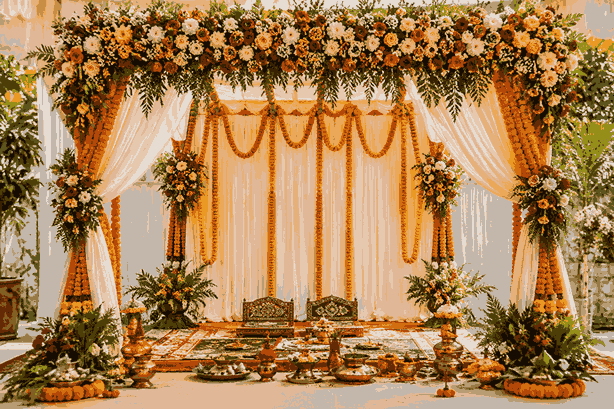
Bratabandha ceremony, is one of the most important Hindu rites in Nepali culture. It is a sacred transition in which a boy enters spiritual discipline and obtains the janai (sacred thread).
But beyond rituals, decoration has a profound emotional role. A well-set-up display displays family values, cultural pride, and spiritual reverence. Hence, Bartabanda decoration ideas are now a must in any ceremony.
From mandaps to floral stages, Bratabandha decoration makes the ceremony special.
What is Bratabandha?
The term Bratatabandha comes from Sanskrit words:
- Brata = vow
- Bandha = binding
Together, it means the “binding of vows.”
During the ceremony, the boy is given the sacred thread called janai, which symbolises discipline, duty and spiritual awakening. After this procedure, he is called dvija, which means “twice-born.” It is a spiritual rebirth.
Some of the rituals that are performed during the Bartabanda festival include the following:
- Chanting of the Vedas by Brahmins
- Sacred fire ritual (havan)
- Janai wearing ceremony
- Blessings from elders
- Traditional family feast
Overall, Bratabandha is not just a religious ceremony. It is an important life event in Nepal. It marks the beginning of spiritual life and is deeply connected to Hindu traditions.
Cultural Importance of Bratabandha in Nepal
In Nepal, the Bratabandha ceremony decor is not only about beauty. It reflects culture, identity, and spiritual values.
For Brahmin and Chhetri families, the Bratabandha is an important ritual before marriage. It brings together family, relatives, neighbours, and the community.
Even Nepali communities abroad in countries like the USA, UK, and Australia continue this tradition through group ceremonies.
Decoration is very significant during the ceremony since it:
- Creates a sacred and spiritual atmosphere
- Expresses culture with reverence and respect
- Adds to the emotional aspect of ritual
- Gives more meaning and visual expression to rituals
An elegantly decorated Nepali mandap will not only add to the beauty of the place but also be a way for people to connect generations with their culture.
Mandap and Jagya Decoration Ideas (Heart of the Bratabandha Ceremony)
The mandap and jagya are the heart of every Bratabandha ceremony. While the mandap forms the beautifully decorated ceremonial structure, the jagya is the sacred ritual area where the priest performs the Janai ceremony. A thoughtfully designed mandap and jagya decoration for Bratabandha creates a spiritual atmosphere while enhancing the overall beauty of the event.
Traditional Mandap and Jagya Setup
The Bratabandha mandap and jagya design includes many typical ceremonial elements of Nepal to symbolise purity, prosperity, and culture:
- Fabric in red and gold flowing over the framework
- Banana plant columns erected in all four corners
- Torana made of mango leaves at the gateway
- Marigold toranas spread on the whole framework of the mandap
- Diya made of brass, and Kalash put at the centre area of puja
The jagya is prepared at the centre of the mandap, where the sacred rituals are conducted. It usually includes the havan kund, kalash, puja materials, and comfortable seating for the priest and the child. Decorating the jagya with fresh flowers, traditional fabrics, and religious symbols creates a sacred environment while maintaining the cultural authenticity of the Bratabandha ceremony.
All these symbols are highly significant in terms of symbolism. Besides their aesthetic appeal, they are spiritually relevant, depicting good luck, blessings, and a favourable start.
Red depicts energy, vitality, and divine blessing, whereas gold symbolises wealth, sanctity, and divinity. All these make an atmosphere conducive to the decor of the Bratabandha ceremony.
Floral Mandap Design
Modern-day families now love to use flowers during mandap decoration as one of the Bratabandha decoration ideas due to the elegance and freshness it gives, along with its high photo effect.
The use of a floral mandap generates a gentle environment that is both vivid and inviting while at the same time maintaining the essence of culture and spirituality involved in the ceremony.
Popular Floral Mandap Elements
- Rose flower walls, which make a beautiful and luxurious setting for ceremonies.
- Hanging marigold curtains that make the event warm and authentically Nepali.
- Floral backgrounds which appear white in order to create an aura of peace and spirituality.
- Colourful flower decorations which make the event joyful and fun.
This style is particularly common in urban settings and during diaspora festivities since it is able to create that ideal combination of traditional and contemporary aspects. This type of decoration makes for great photographs while still retaining its significance for Bratabandha ceremonies.
Key Mandap and Jagya Elements You Must Include
To create a full and appropriate setup for the Bratabandha ceremony decorations, the mandap must have:
- A platform for puja including diya and incense for rituals
- Area of fire for Vedic ceremonies (havan kund)
- Beautifully decorated jagya with traditional puja accessories and floral arrangements
- Decorated floral path for an elegant entrance
- Wall decor with cultural or spiritual symbols
- Seating arrangement for the priest and other attendees
These elements are fundamental in making the mandap not only aesthetically pleasing but also spiritually fulfilling and culturally genuine.
Flowers & Garlands in Bratabandha Decoration
Flowers are not merely decorations; they are regarded as sacred offerings in the Hindu religion and contribute significantly to the bartabanda decoration ideas. Flowers add holiness, sweetness, and spirituality to the entire area of the ceremony.
Marigold (Sayapatri)
The marigold flower is the most significant among flowers used in traditional bratabandha decoration.
- Symbolising purity, blessing, and auspiciousness
- Popularly used for mandap decorations and garlands
- It helps create a warm atmosphere with its golden hue.
Its bright orange and yellow tones are considered highly sacred and are traditionally used in almost every Nepali ceremony.
Red Roses
Red Roses increase the elegance and emotions within the ceremony.
- A symbol of love, commitment, and reverence
- Often employed in backdrops and flower garlands
- Increases the aesthetic beauty of the ceremony
These roses are greatly favoured in modern-day Bratabandha ceremony decor due to their vibrant colour.
White Flowers
The white-colored flowers add harmony and tranquillity to the decoration.
- Symbolic of peace, purity, and spirituality
- Used in the formation of contrasting colours
- Perfect for balancing the bright colours such as red and yellow
They create a feeling of tranquillity and serenity in the entire decoration.
Lotus Flowers
Lotuses have a spiritual significance in the culture of Hinduism.
- Symbolise spiritual enlightenment and purity
- Used to decorate puja bowls and in water decoration
- Makes the puja ceremony even more sacred
Colour Themes for Bratabandha Decoration
The choice of colours is quite vital when considering the decorations for the Bratabandha ceremony, since each colour has great symbolic value in the Hindu culture. The proper use of colours can help in creating a spiritually balanced environment.
Red – Power and Blessings
Red signifies strength, spiritual power, and prosperity. This colour holds great importance during Nepalese events as it is often seen in mandap decorations, clothing decorations, and flower decorations. Red also denotes protection and positivity.
Yellow – Knowledge and Purity
Yellow represents wisdom, enlightenment, and spirituality. It is widely employed in the haldi ceremony and in decorative clothing. The golden color of yellow enhances the entire arrangement with its brilliance and festivity.
White – New Beginning
White signifies peace, harmony, and spirituality. It stands for purity and can be incorporated into the interior design to neutralise vibrant colours. White flowers and other decorative elements can also enhance the elegance of the venue.
Green – Nature and Growth
Green represents nature, newness, and freshness. Its primary sources are leaves of banana and mango, which are used for decorating torana and mandap. Use of green elements signifies the connection between the ritual and nature/tradition.
Overall Theme Combination
The use of colours like red, yellow, and gold in equal measures forms the best traditional and common colour scheme idea for Bartabanda. Such colours bring about a rich, prosperous, and culturally sound ambience that fits well for a Nepalese ritual.
Bhichya Dalo Decoration Guide
Bhichya Dalo is an interesting and culturally significant aspect of the Bratabandha ceremony that serves ritual and emotional purposes in Nepali culture.
This is an ancient bamboo basket in which the boy receives blessings and items such as grains, coins, and gifts from his elders during the Bartabanda ceremony.
Decoration Ideas for Bhichya Dalo
The Bhichya Dalo can be decorated in an aesthetically pleasing manner in the following way:
- Marigold garlands can be used to wrap the basket traditionally.
- Red and gold ribbons can be added for extra grandeur.
- Sewing silk cloth on the inner side adds elegance and grace to the basket.
- Jasmine flowers can be used as decoration for the handles.
- Painting can be done in a light gold colour.
Lighting & Ambience Setup
The light used for the Nepali Mandap decoration holds great religious significance and symbolism, as it is associated with purity, wisdom, and divine energy. The use of light creates a holy ambience within the Bratabandha ceremony decorations and makes the whole place appear holy and serene.
Traditional Lighting
Traditional lighting fixtures play a key role in ensuring that Bartabanda designs remain culturally authentic:
- Diyo (oil lamps), which are placed all around the mandap and puja
- Brass candles, which symbolise sacred lights
- Havan (the holy flame), which signifies spiritual light
All of these lights provide an authentic golden light, which was part of ancient Hindu culture and traditions.
Modern Lighting
Modern lighting could be used for providing extra lighting as well as aesthetic purposes:
- String lights to add warmth to mandap and entrance areas
- LED lights to add an element of festivity to the wedding atmosphere
- Lanterns for decoration purposes
Modern items can be beautifully added to the traditional venue of weddings.
Special Decoration Idea
One of the most attractive and popular concepts for bratabandha decoration ideas is that of using flowers suspended inside lamps floated on water. Along with diya lamps and flower petals, they create an absolutely amazing reflection effect, particularly at nighttime events.
Overall Ambience
Lighting should always be soft, subtle, and heavenly. One should not choose too strong and artificial lights because the purpose is to maintain the peace and sanctity of the place according to the decor of the Bratabandha ceremony.
Step-by-Step Guide to Planning Your Bartabanda Decoration
Proper decoration of a ceremony is dependent on good planning, and this needs to begin way before the ceremony starts. Below is a very efficient guide that will guarantee success.
Step 1 — Set Your Budget and Vision (6–8 Weeks Before)
Decide the overall style that will be used, either conventional, modern, or both and decide on which colours will be used, together with an attainable budget. Speak to your family members and discuss who will handle each decorating job.
Step 2 — Book Your Decorator or Assign Roles (4–6 Weeks Before)
While you collaborate with an expert decorator, ensure that your guidelines are explicit. Show him pictures of samples and also make his job easy by making the mandap design explicit. In case you do the work at home, ensure division of labor between various members of your family.
Step 3 — Source Materials and Rentals (3–4 Weeks Before)
Booking must be done for mandaps, curtains, and furniture. Place orders for fabrics, ribbons, and handmade decorations. Arrangements have to be made with vendors regarding fresh flower decorations.
Step 4 — Prepare the Bhichya Dalo and Ritual Items (1–2 Weeks Before)
Begin by decorating the ritualistic bamboo basket. Get all the handmade decor items such as rangoli designs, handmade signs, or your own banners ready.
Step 5 — Order Fresh Flowers (1 Day Before)
Go for fresh flowers on the day before the wedding ceremony. The flowers, including the marigold and roses, should be kept in water the night before. Garlands and petals of flowers can be arranged either the night before or early on the day of the wedding ceremony.
Step 6 — Set Up the Space (Morning of the Ceremony)
Arrange the mandap first, then drapes, flowers, and finally decorations and lighting fixtures. Remember to check all lighting arrangements before anyone arrives and to provide safety measures where there might be any fire hazards.
Common Mistakes to Avoid
Well-planned Bratabandha decoration ideas lead to a more well-organised and spiritually enriched decoration of the Bratabandha ceremony. One must ensure that small mistakes do not occur while making preparations for decorating purposes.
Overusing Artificial Flowers
Excessive use of artificial flowers will make the place lose its authenticity as well as the charm of the tradition. Fresh flowers should always be used.
Poor Lighting Balance
Either too much lighting or not enough could spoil the beauty of the mandap. The use of diyas and other lighting needs to be perfectly balanced.
Cluttered Mandap Design
When too many decorations are placed inside the mandap, they may appear cluttered, causing negative effects on the performance of the rituals.
Ignoring Traditional Elements
Excluding things like banana leaves, mango torana, or diyas would lower the culture-specificness of your event. These are significant for decoration in Bratabandha ceremonies.
Last-Minute Planning
Rushed preparation often leads to missing items and poor arrangement. Early planning ensures a smooth and well-organised ceremony.
Conclusion
A Bratabandha ceremony decoration is not just about creating a beautiful space it is about honoring culture, tradition, and a sacred life milestone. Every detail in Bratabandha decoration ideas, from the mandap to the flowers and lighting, carries spiritual meaning and family emotion.
Whether you are interested in classic or modern floral design, the goal is to keep balance, respect and simplicity. A well-planned Bratabandha ceremony decor makes it a memorable and meaningful celebration for the whole family.
Make your Bratabandha ceremony unforgettable with Gadhimai Decoration.
Contact us today to bring your vision to life with beautifully designed, stress-free, and culturally rich decoration services.
Frequently Asked Questions
What is the Bratabandha ceremony?
Bratabandha is a Hindu ceremony of the sacred thread where a boy is given the janai (sacred thread) and begins his spiritual and disciplined life in Nepali culture.
2. What is included in Bratabandha ceremony décor?
Decorations used during the Bratabandha ceremony are generally mandap decorations, flowers, garland arrangements, diya arrangements, use of banana leaves, torana of mango leaves, and Bhichya Dalo decorations.
3. What are the best Bratabandha decoration ideas?
The best Bratabandha decoration ideas are usually mandaps decorated with marigold flower decorations along with photo-friendly decorations.
4. How much does Bratabandha decoration cost in Nepal?
Cost varies depending on design, location, and materials chosen. Basic designs are inexpensive, but expensive floral mandaps with lighting and stage design cost more.
5. Can Bratabandha decoration be done on a budget?
Yes, a budget-friendly Bratabandha decoration is achievable through marigold flowers, banana leaves, handmade garlands, and easy mandap decorations.
6. What is Bhichya Dalo in Bartabanda?
The Bhichya Dalo is a bamboo basket that is used in the ceremony when the boy gathers blessings, rice, and gifts from the elderly members of the family.
7. Which flowers are best for Bratabandha decoration?
The marigold flower is an essential part of the ceremony, followed by roses, jasmine, white flowers, and the lotus.
8. How early should Bratabandha decoration be planned?
It is best to start planning bratabandha decoration ideas at least 4–8 weeks before the ceremony for smooth execution and proper arrangements.
9. What is Jagya decoration for Bratabandha?
Jagya decoration for Bratabandha refers to decorating the sacred ritual area where the Janai ceremony is performed. It typically includes a decorated mandap, floral arrangements, traditional decorative elements, seating for the priest and family members, and themed décor that complements the cultural significance of the ceremony.
Gadhimai Decoration
Editorial
"Passionate about capturing the essence of cultural heritage through modern storytelling. Editor at Gadhimai."